
Storm Damage Roof Repair in Shreveport, LA
Storm Damage Repair for Ark-La-Tex Roofs
This region doesn't get one kind of storm, it gets several, and each one leaves a different signature on a flat commercial roof. We assess damage against what actually happened in the weather event, not a generic checklist, and scope the repair around what the roof needs rather than what's easiest to write up.
Knowing which storm type caused which failure also matters for how the repair gets built back. A roof repaired after wind damage without addressing why the edge detail failed in the first place is just waiting for the next squall line to come through and do the same damage all over again, at your expense a second time.
The Storm Types That Actually Damage Roofs Here
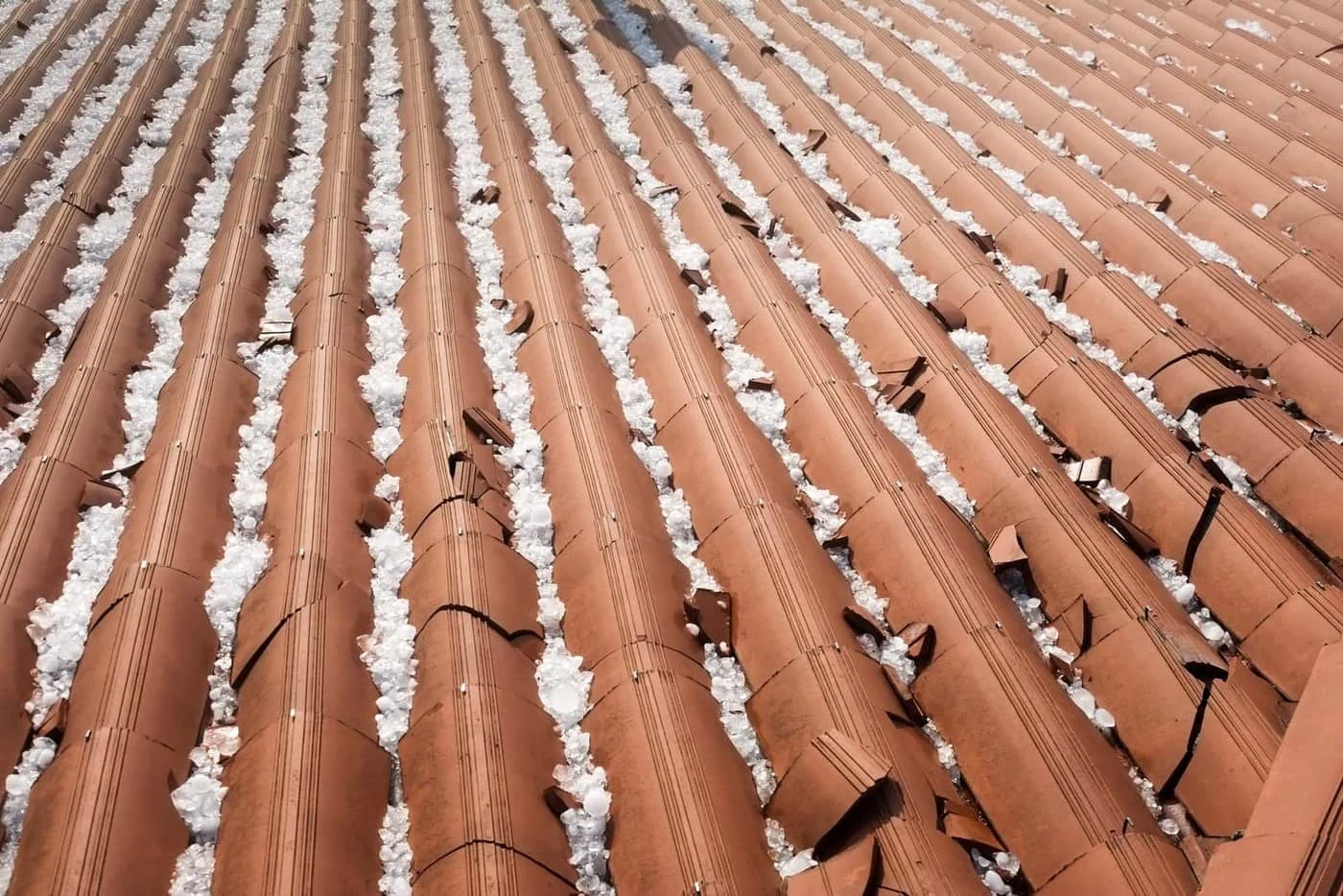
Spring hail season runs the risk of bruised or punctured membrane on single-ply roofs, particularly on older, thinner materials that haven't been recovered in a while. Straight-line wind out of fast-moving squall lines is probably the most consistent threat, capable of lifting membrane at corners and edges even on roofs that otherwise look fine everywhere else, and it can happen with little more warning than a fast-darkening sky. Some years, the remnants of Gulf hurricanes push inland along I-20 with sustained wind and heavy rain that overwhelms drainage systems that were adequate for ordinary rainfall but not for a multi-inch event.
Winter brings its own occasional wildcard in the form of ice accumulation on parapet walls, gutters, and rooftop equipment, though it's a far smaller share of our storm calls in a given year than wind and hail combined. Most years, spring and early summer squall lines are what generate the bulk of the storm-related work we run across office, medical, and industrial buildings alike.
What Storm Damage Looks Like on a Flat Commercial Roof
We look for a specific set of signs during a storm assessment, since not all of them are obvious from the ground, from a window on an upper floor, or even from a quick walk of the roof itself:
- Membrane lifted or torn loose at the perimeter and roof corners
- Hail bruising on single-ply membrane, felt as soft spots under close inspection
- Coping and edge metal blown loose or missing entire sections
- Debris punctures from tree limbs or blown rooftop equipment
- Flashing separated at parapet walls from repeated wind flutter
- Ponding from drains overwhelmed during heavy rain
- Cracked pitch pans around penetrations from wind-driven movement
Separating Storm Damage From Ordinary Wear in the Assessment
Not everything we find on a post-storm walk was actually caused by that specific storm. Part of an honest assessment is distinguishing damage that's new and storm-related from wear that was already there before the event, since that distinction matters both for how the repair gets scoped and, separately, for any documentation you need for your own records or a carrier's review. We date and note both categories separately rather than lumping everything into one storm-damage bucket.
This is especially relevant across a multi-building portfolio, where the same storm might have caused real damage on one roof and nothing more than a shake-up of existing wear on another a few miles away. We assess each building on its own rather than assuming a single storm produced the same outcome everywhere it passed.
Getting From Damage Assessment to Repair Without Losing Time
If there's active water intrusion, we handle emergency dry-in first, then move to a full assessment once the building is stable. From there we build a repair scope that addresses everything the storm actually caused, and if you need factual documentation of the damage for insurance purposes, we can put that package together as part of the same visit through our documentation support.
We move through that sequence quickly on purpose. A roof left partially exposed or under a temporary patch for weeks is one more heavy rain event away from a second round of damage, and the facilities teams we work with would rather see a clear scope and schedule within days of the storm than wait on a drawn-out assessment process.
Questions We Get After a Storm
Does every hail event cause damage that needs repair?
No. Smaller hail on a newer, thicker membrane often causes no meaningful damage, while the same event on an older or thinner membrane can bruise or puncture it. That's why we inspect rather than assume based on hail size alone.
How soon after a storm should we get an inspection?
As soon as it's safe to get on the roof. Some damage, like lifted membrane edges or loosened coping, worsens with additional wind or rain if it isn't addressed quickly.
Can storm damage be repaired without a full reroof?
Often, yes, if the damage is limited to specific areas like edge metal, flashing, or isolated punctures. Widespread damage on an already aging roof is a different conversation, and we'll tell you if that's what we're looking at.
Do you document damage for a claim while doing the repair?
Yes, we photograph and note damage before repairing it, so you have a record whether or not you end up filing a claim.
What's the difference between wind damage and normal seam aging?
Wind damage typically shows as fresh separation at corners, edges, or flashing points right after a specific event, while seam aging shows up gradually across the field of the roof over years. We look at both the pattern and the timing to tell them apart.