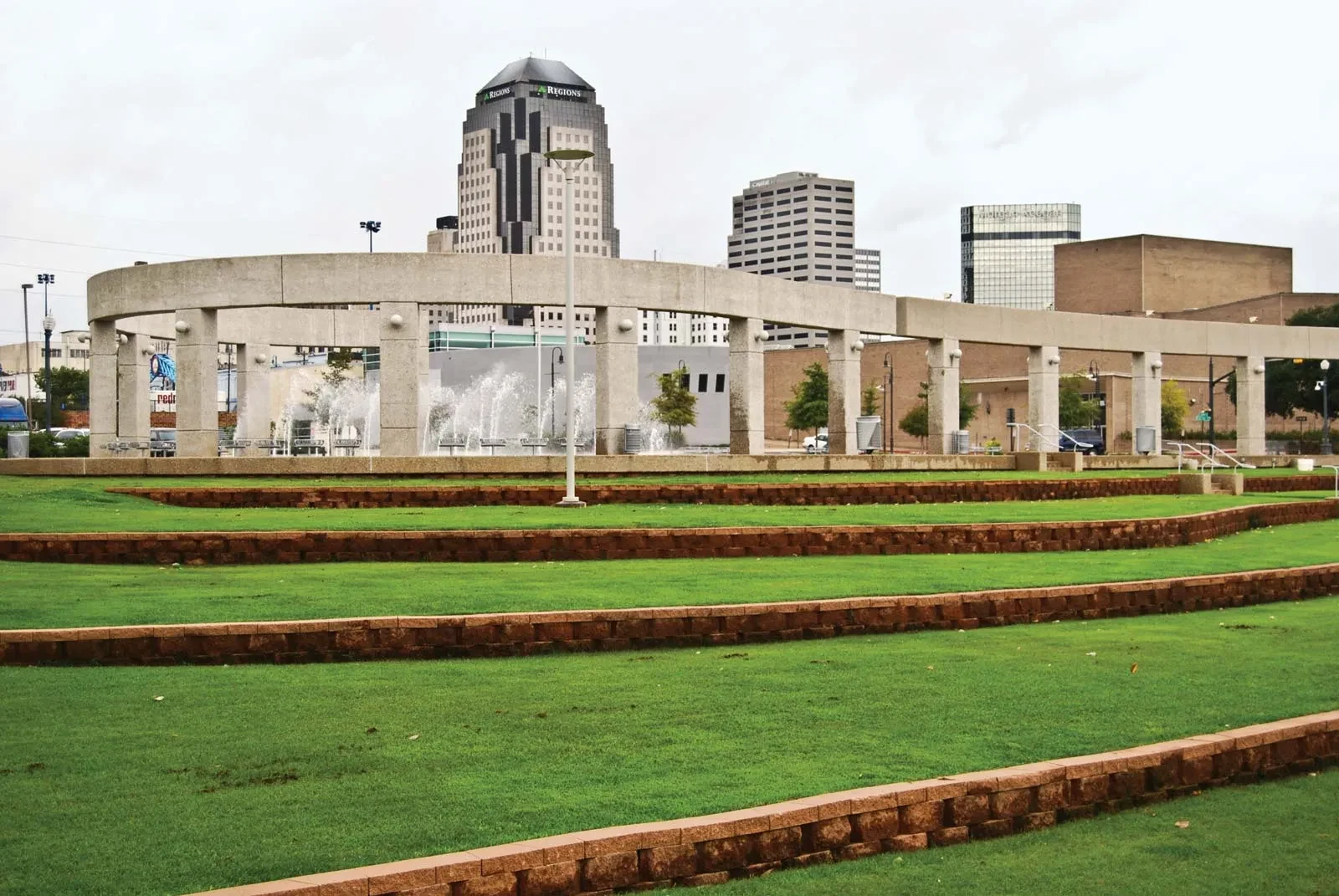
SBS Modified Bitumen Roofing in Shreveport, LA
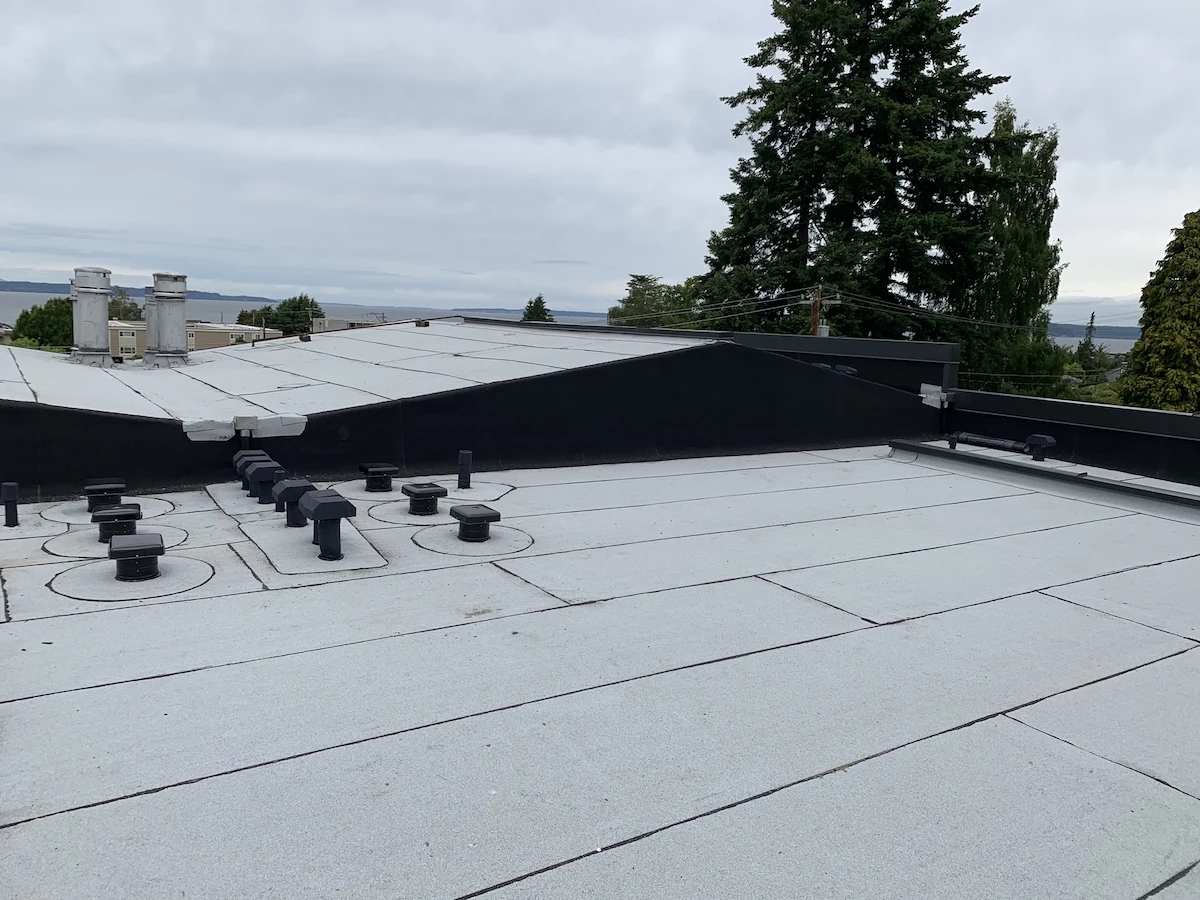
Modified Bitumen for Shreveport's Older Downtown Roof Stock
A good portion of downtown Shreveport's office and commercial building stock still carries a built-up roof somewhere in its history, and SBS modified bitumen is often the most practical path forward on those buildings. It's chemistry that ties into an existing BUR system more naturally than a single-ply membrane does, which matters on phased re-roofing projects where budget or occupancy constraints mean the whole roof doesn't get replaced in one shot.
Why Tie-In Compatibility Matters on Older Buildings
When a downtown building's roof gets replaced in sections over several budget cycles rather than all at once, the new membrane has to interface cleanly with whatever's staying in place for now. SBS modified bitumen's asphalt-based chemistry bonds to existing BUR flashings and adjacent sections in a way that a TPO or PVC membrane can't without additional transition detailing. On a building where full replacement isn't in this year's capital plan, that compatibility is often the deciding factor.
We map what's staying and what's being replaced before recommending a system, because the tie-in detail is where phased projects succeed or fail, not the field membrane itself.
Torch-Applied Versus Self-Adhered Installation
SBS modified bitumen installs either torch-applied or self-adhered, and the choice matters more on an occupied downtown building than it does on a vacant warehouse. Torch application requires an active fire watch and coordination with building occupants below, which we plan around office hours and tenant schedules rather than showing up and figuring it out on site. Self-adhered systems avoid the open-flame concern entirely and are often the better fit for occupied buildings with tenants working underneath the roof deck during the project.
We'll lay out both options with their tradeoffs rather than defaulting to one method, because the right choice depends as much on occupancy and fire-watch logistics as it does on the roof assembly itself.
Multi-Ply Redundancy Against Summer Humidity
Multi-ply modified bitumen systems give a redundancy that single-ply membranes don't have in the same way: if the cap sheet develops a localized issue, the base ply is still there doing its job while repairs get scheduled. That matters through a Shreveport summer where sustained humidity and afternoon thunderstorm activity mean a roof rarely gets a long dry stretch to fully cure a repair before the next rain arrives.
- Assessment of existing BUR sections staying in place versus being replaced
- Torch-applied versus self-adhered decision based on occupancy and fire-watch needs
- Base ply and cap sheet installed with proper overlap at every seam
- Flashing tie-in detailed at every transition to remaining roof sections
- Post-install inspection of laps and seams before the crew demobilizes
Restoration Economics Over a Full Tear-Off
Not every aging BUR roof downtown needs a full replacement. If the deck is dry and the existing system's structural bones are sound, a modified bitumen cap sheet application over the existing roof, or a targeted section replacement, can extend service life at a fraction of full tear-off cost. We core-cut before making that call, because guessing at deck condition on a downtown building with unknown roofing history is how a restoration budget turns into an emergency tear-off mid-project.
We'd rather deliver a smaller, honest scope this budget cycle than oversell a full replacement the building doesn't need yet.
Wind Uplift on Older Parapet Details
Downtown buildings often have parapet and coping details that predate current fastening standards, and that's exactly where wind uplift shows up first during a spring storm line. We inspect coping attachment and base flashing condition on every modified bitumen project regardless of whether the scope includes parapet work, because a new field membrane doesn't help if the edge detail lets wind get underneath it.
Where the existing edge metal is undersized or loose, we flag it before the crew leaves, even if repairing it falls outside this project's original scope.
Material Staging on Downtown Building Sites
Older downtown buildings near Texas Street and the casino corridor often don't have the loading dock or lay-down space a suburban plant roof would offer, and hot mopped or torch-applied modified bitumen needs kettle or torch equipment staged somewhere workable. We scout access, elevator capacity, and street-level staging before quoting a downtown project, because a crew that shows up without a workable material path ends up burning half a shift figuring out logistics that should have been solved in advance.
Parking and loading restrictions downtown also shape scheduling, and we'll coordinate delivery windows with building management rather than assuming a truck can just pull up whenever the material's ready.
Questions Facilities Managers Ask About Modified Bitumen
Does modified bitumen cost less than a single-ply replacement?
Often, yes, particularly for a phased or restoration approach, though a full multi-ply tear-off and replacement can run comparable to single-ply depending on the building.
Can torch-applied work happen in an occupied downtown building?
Yes, with an active fire watch and coordination around tenant schedules. Self-adhered systems are often preferred on occupied buildings to avoid the open-flame logistics entirely.
How do we know if our BUR roof is a restoration candidate or needs full replacement?
A core cut tells us whether the deck and insulation are dry. If they are, restoration is often viable; if moisture has already gotten in, replacement is the more honest recommendation.
Does modified bitumen handle Shreveport's summer humidity well?
Yes, the multi-ply redundancy helps here specifically, since a localized cap sheet issue doesn't immediately become a leak the way a single-ply membrane breach can.
What's the biggest risk on older parapet details during a mod-bit project?
Undersized or loose edge metal that lets wind get under the membrane at the perimeter, regardless of how well the field membrane itself is installed.