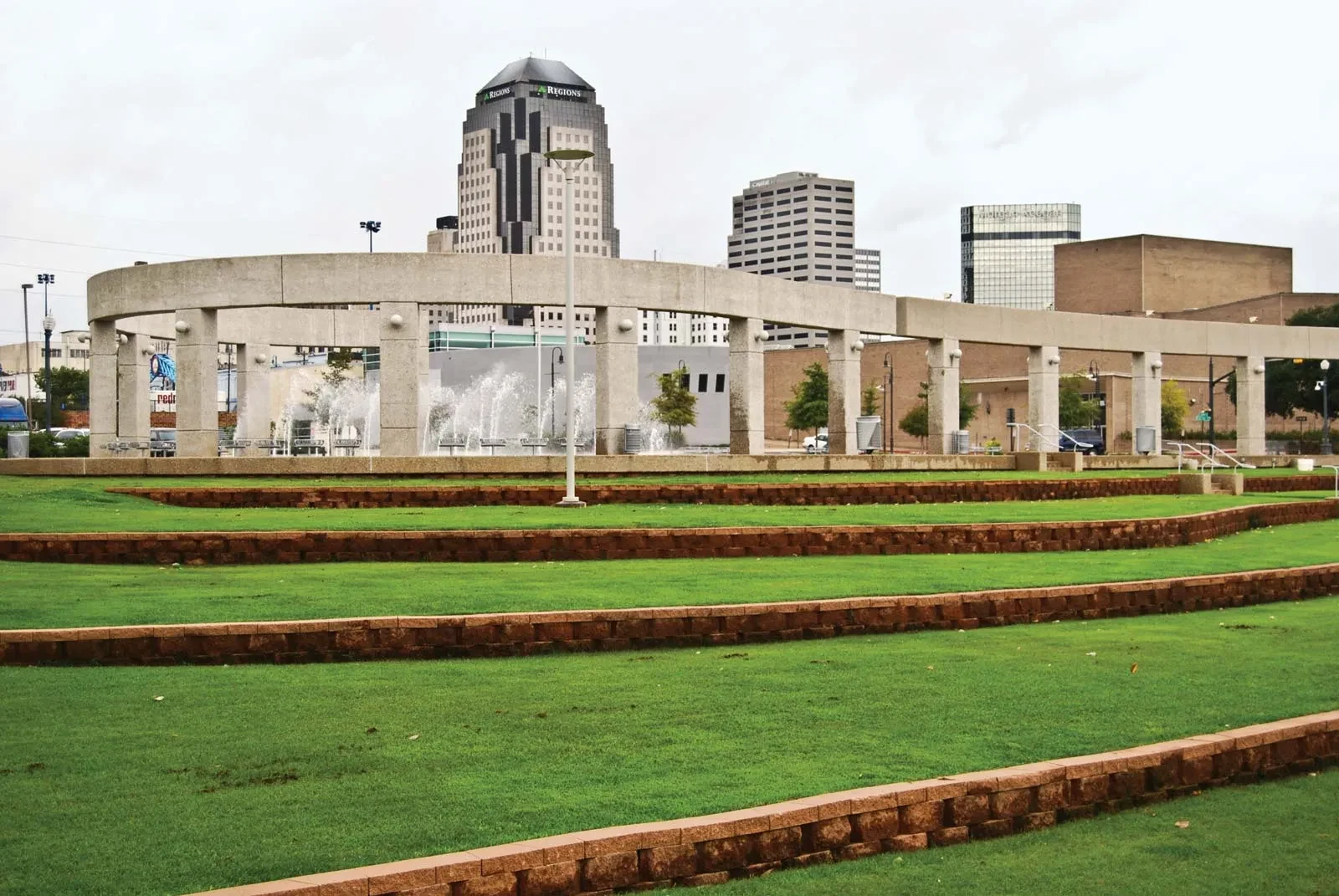
PVC Roofing in Shreveport, LA
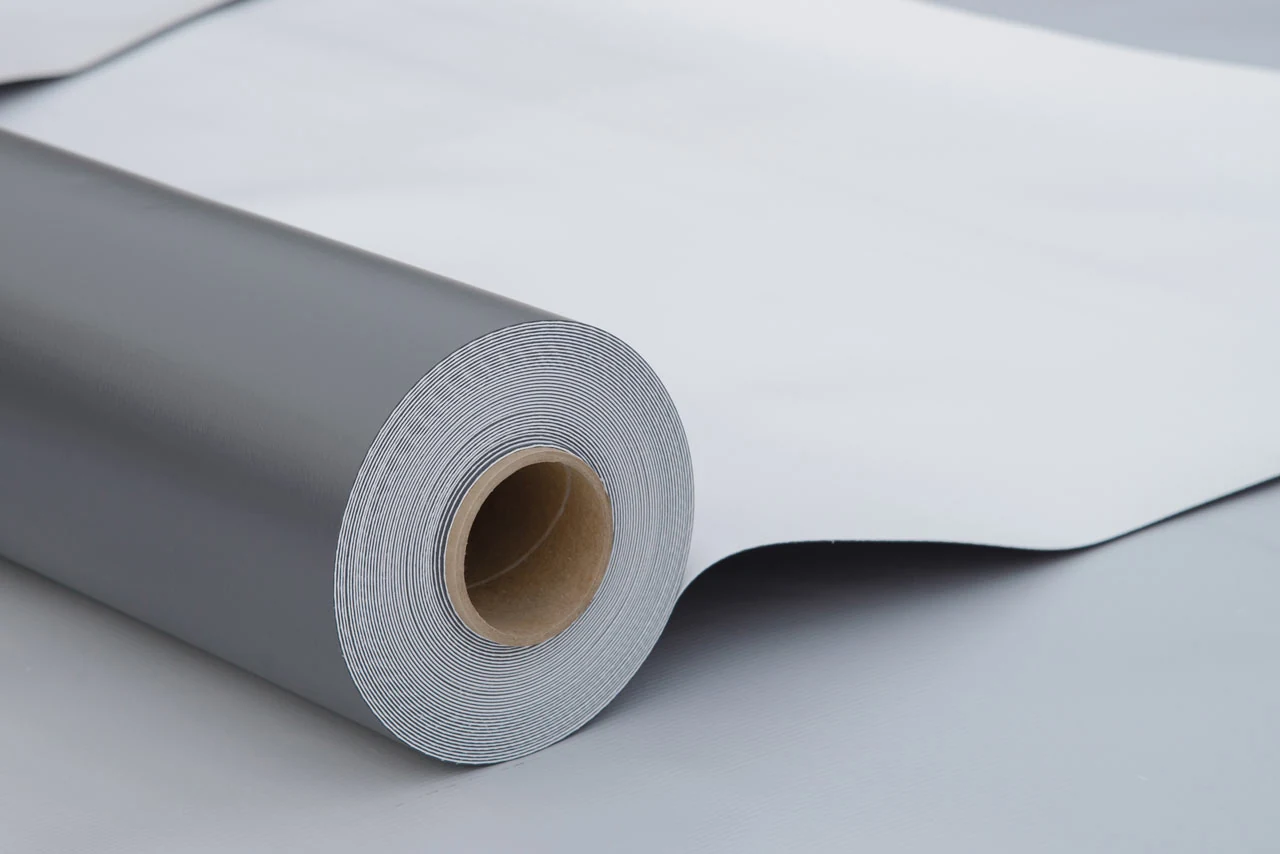
PVC Roofing for Kitchens, Exhaust, and Chemical Exposure
PVC membrane comes up whenever a Shreveport-Bossier roof has to deal with grease, oil, or chemical exposure that would break down a standard TPO or EPDM system faster than it should last. Casino kitchen exhaust, restaurant strip retail, and hospital rooftop exhaust are the three situations where we recommend PVC most often in this market, because its chemistry resists the exact contaminants those roofs actually see.
Why Grease and Kitchen Exhaust Change the Membrane Decision
Restaurant and casino kitchen exhaust puts grease-laden air directly onto the roof surface downwind of the exhaust fan. Over time, that grease settles into a standard membrane and softens it, leading to premature failure right in the exhaust discharge path - often years before the rest of the roof shows any wear. PVC resists that kind of chemical attack far better than TPO or EPDM, which is why we steer casino and restaurant clients toward it even though it costs more up front than a standard single-ply.
Hospital and Medical Building Rooftop Exhaust
Medical office buildings along the Ochsner LSU Health corridor often have rooftop exhaust from lab equipment, sterilization units, or specialty HVAC that can carry chemical byproducts most membranes weren't designed to handle. If your building has any specialty exhaust on the roof, it's worth telling us before we scope a reroof - the exhaust discharge zone may need PVC even if the rest of the roof could run a less expensive membrane.
Hot-Air Welded Seams and Long-Term Seam Strength
Like TPO, PVC seams are heat-welded rather than taped or glued, but PVC's chemistry gives it a slightly different weld window and requires a crew that's used to the material's specific behavior under the heat gun. We probe every seam during installation and again at close-out, because a weld that looks bonded from the surface can still be under-fused underneath.
PVC as a Recover Option Over Existing Built-Up Roofs
Plenty of the older manufacturing and casino-adjacent buildings we work on in Shreveport-Bossier have built-up roofs from decades back that are dry enough underneath to recover rather than tear off. PVC can go down as a recover membrane over that existing roof the same way TPO can, and it's worth considering any time the building has ongoing grease, oil, or chemical exposure that would shorten a standard membrane's life anyway.
What We Check Before Recommending PVC
- Type and source of any rooftop exhaust - kitchen, lab, mechanical, or process
- Existing membrane condition and whether recover or tear-off makes sense
- Deck and insulation moisture content across the field
- Drainage pattern and whether grease or oil pools near roof drains
- Foot traffic pattern from kitchen or mechanical service technicians
That last point matters more than people expect - kitchen exhaust systems get serviced often, and a roof near a busy exhaust unit takes more foot traffic than the rest of the field. We account for that in how we detail the membrane around those zones.
Cost Versus Standard Single-Ply
PVC runs higher than TPO for the same square footage, and we're upfront about that in every proposal. The case for it comes down to what's actually landing on your roof. If you've got grease-laden exhaust, chemical fume discharge, or a history of premature membrane failure near an exhaust unit, the extra cost usually pays for itself by avoiding a repeat reroof five years later.
The strip retail centers along Youree Drive and out near the I-20 exits mix restaurants, service businesses, and retail under a shared roof structure, which means one tenant's kitchen exhaust can affect membrane condition across a section of roof shared with neighboring units that have nothing to do with food service. When we scope a reroof for one of these multi-tenant buildings, we map out where exhaust discharge actually lands rather than assuming exposure is uniform across the field, and we'll recommend PVC only where the exposure pattern actually calls for it. That kind of targeted approach keeps costs reasonable for property owners managing a mixed-tenant roof instead of paying premium membrane pricing across square footage that never sees any grease or chemical exposure at all.
Grease and chemical exposure concentrates hardest right at curb flashings and equipment penetrations, which is exactly where a membrane transitions and becomes most vulnerable to failure. We give those details extra attention on any PVC installation - proper curb wrap, secondary seal at fastener penetrations, and enough clearance around exhaust discharge points that grease drip doesn't pool directly against a seam. Skipping this level of detail is how an otherwise good PVC installation still ends up with a localized failure right where it mattered most.
Common Questions About PVC Roofing
Do we need PVC for the whole roof or just near the kitchen exhaust?
Often just the affected zone, though on smaller roofs it can make sense to run PVC across the whole field for consistency. We'll walk the roof with you and show you the actual exposure pattern.
Is PVC worth the added cost over TPO?
If your roof sees grease, oil, or chemical exhaust, generally yes - it resists that kind of exposure far longer than TPO. If it doesn't, TPO is usually the more cost-effective choice.
Can PVC be installed as a recover over our existing roof?
In most cases, if the existing roof is dry and structurally sound, yes.
How do you handle scheduling around a live kitchen or hospital exhaust system?
We coordinate directly with your facilities or engineering team so exhaust systems stay operational, or we schedule shutdowns during the lowest-impact hours for your operation.
Does PVC come in different colors for aesthetic requirements?
Yes, PVC is available in multiple colors, which sometimes matters for visible rooftop equipment near street-facing parapets or upper-floor windows.