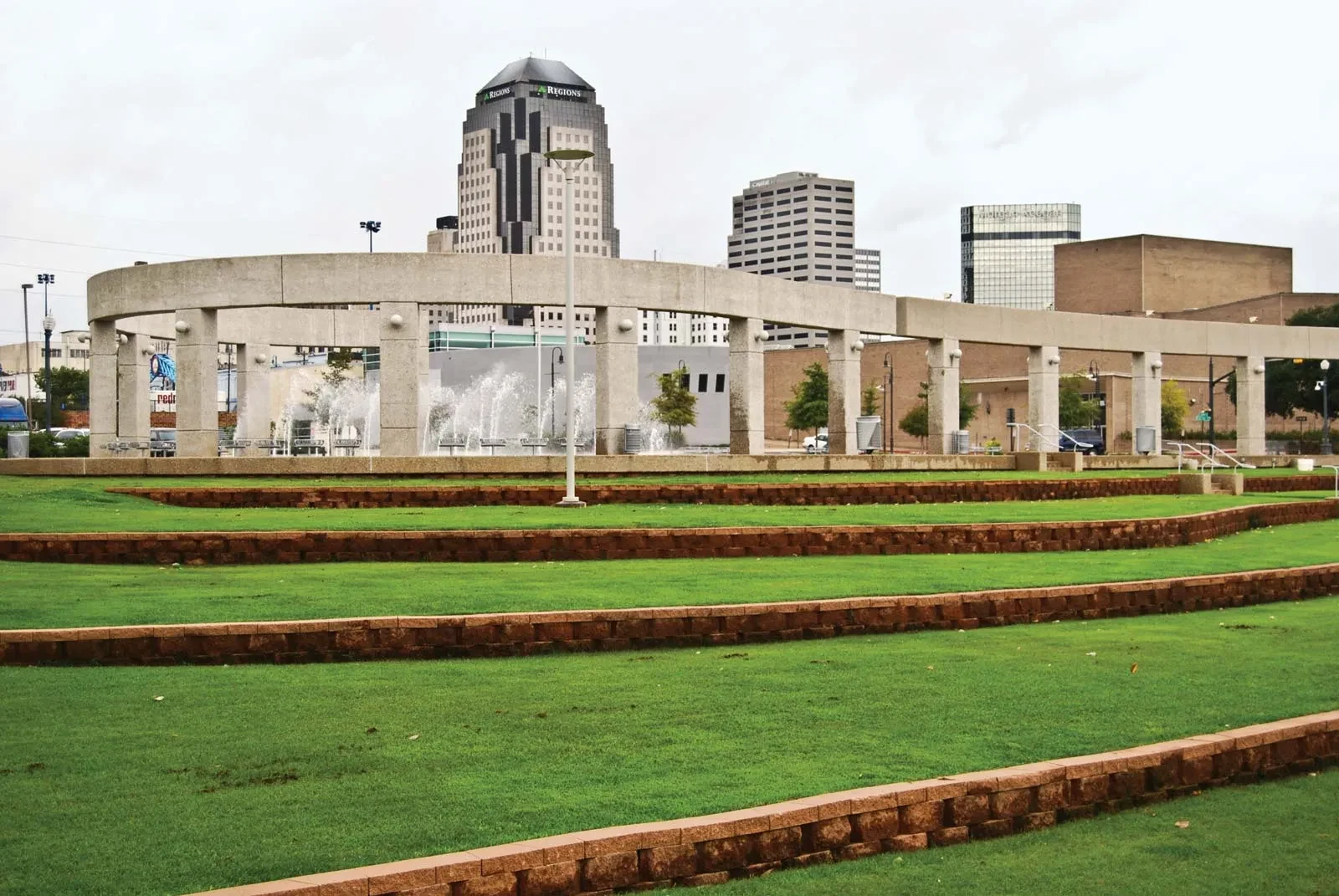
Metal R-Panel Roofing in Shreveport, LA
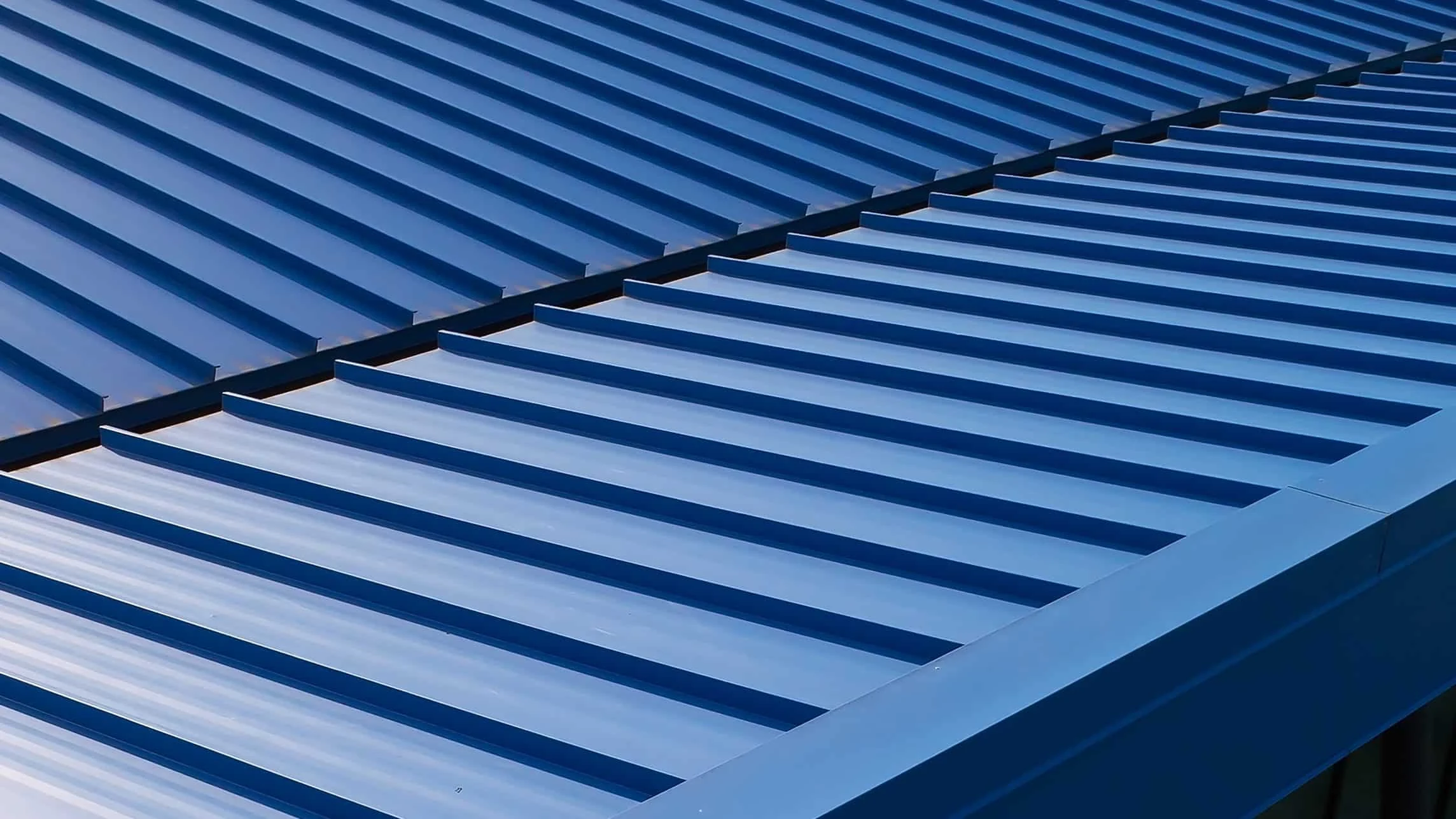
Metal R-Panel Roofing for I-20 Warehouses and Plant Buildings
R-panel is the exposed-fastener metal roofing you'll find on most of the warehouse, manufacturing, and industrial-service buildings scattered along the I-20 corridor and out through the surrounding parishes toward Minden and Mansfield. It's cost-effective to install over a large roof field, and when it's maintained properly it holds up well against Louisiana's heat and storm cycles for a long service life.
Why R-Panel Is Everywhere Out Along I-20
Distribution buildings, manufacturing plants, and the service yards supporting Haynesville Shale operations around Minden and Mansfield tend to be large-footprint, single-story buildings where cost per square foot drives the roofing decision more than appearance. Exposed-fastener R-panel gets a big roof watertight at a lower installed cost than standing seam or a full single-ply membrane system, which is why it shows up so consistently on this type of building across the outlying parishes.
Fastener Backout: The Most Common R-Panel Problem
Because R-panel fasteners drive directly through the panel face into the structural framing, they're exposed to the same thermal expansion and contraction that the panel itself goes through across the seasons. Over years of cycling, fasteners work loose - backing out slightly with each thermal cycle until the rubber washer underneath no longer seals properly. That's the single most common repair call we get on R-panel roofs: a scattering of failed fasteners letting water track along the panel underside long before it ever shows up as a visible interior leak.
Recoat and Recover Options for Aging R-Panel
Rather than tearing off and replacing an entire R-panel roof once fastener and coating wear set in, a lot of Shreveport-Bossier facilities managers get more useful life out of a recoat program: re-fastening loose panels, replacing failed washers, sealing seams, and applying an acrylic roof coating over the panel field to extend service life and improve reflectivity. For a warehouse or plant building where budget is the driving factor, that approach often makes more sense than a full panel replacement.
What a Typical R-Panel Maintenance Visit Covers
- Fastener inspection across the field, with re-torque or replacement where washers have failed
- Panel seam and lap condition check for gaps or lifted edges
- Ridge cap and eave flashing inspection, common leak points on these buildings
- Corrosion check at cut panel edges and around roof penetrations
- Coating condition assessment if the roof has been previously recoated
Most of these buildings run wide open interior space below - warehouse racking, production floor, or equipment bays - so a small leak at a single fastener can travel a long way across a purlin before it drips somewhere visible, making it look like a bigger problem than it is at the source.
Wind Uplift and Panel Attachment in Storm Season
R-panel roofs on large, open buildings take real wind load during Shreveport-Bossier's spring severe weather season, and panels that have already lost fastener grip are at higher risk of uplift damage in a wind event. If your roof hasn't had a fastener check in a few years, doing one ahead of storm season is one of the more cost-effective maintenance calls a facilities manager can make on this roof type.
R-Panel on Haynesville Shale Service Yards and Outlying Parishes
Out through Minden, Mansfield, and the smaller communities that grew up around Haynesville Shale gas field activity, R-panel covers everything from equipment storage buildings to office and shop space serving oil-field operations. These buildings often sit further from a service crew's regular route than the ones inside Shreveport-Bossier proper, so a fastener or seam problem that goes unnoticed tends to sit longer before anyone calls it in. We recommend a standing maintenance schedule for these outlying properties rather than a reactive one, since a small leak caught during a routine visit is a lot cheaper than one that's been dripping onto stored equipment or inventory for months.
Warehouse and industrial R-panel roofs also often run long, low-slope panel fields with correspondingly long ridge caps and eave trim runs, and those are the details most likely to loosen or lift first - well before the panel field itself shows any distress. A ridge cap that's worked loose lets wind-driven rain in during a storm even when every panel underneath is sound, which is why we check these details specifically rather than assuming a clean panel field means a watertight roof.
Common Questions About R-Panel Roofing
Our R-panel roof has scattered leaks - do we need a full replacement?
Usually not. Most R-panel leaks trace back to failed fasteners or seam gaps that can be repaired without replacing the whole roof.
Is a recoat worth it instead of replacement?
For a roof with sound panels but aging fasteners and coating, yes - a recoat can add years of service life at a fraction of replacement cost.
How often should fasteners be checked on an R-panel roof?
We recommend a check every one to two years, and definitely before storm season if the roof is more than ten years old.
Can R-panel roofs be repaired without shutting down our operation?
Yes, in nearly all cases repair work happens from the roof surface without disrupting operations underneath.
Does R-panel handle Louisiana heat and storms as well as other systems?
With regular fastener maintenance and seam attention, yes - it's a proven system for this climate, which is why it's so widely used on industrial buildings here, from Shreveport-Bossier proper out to the smaller service yards along the parish lines.