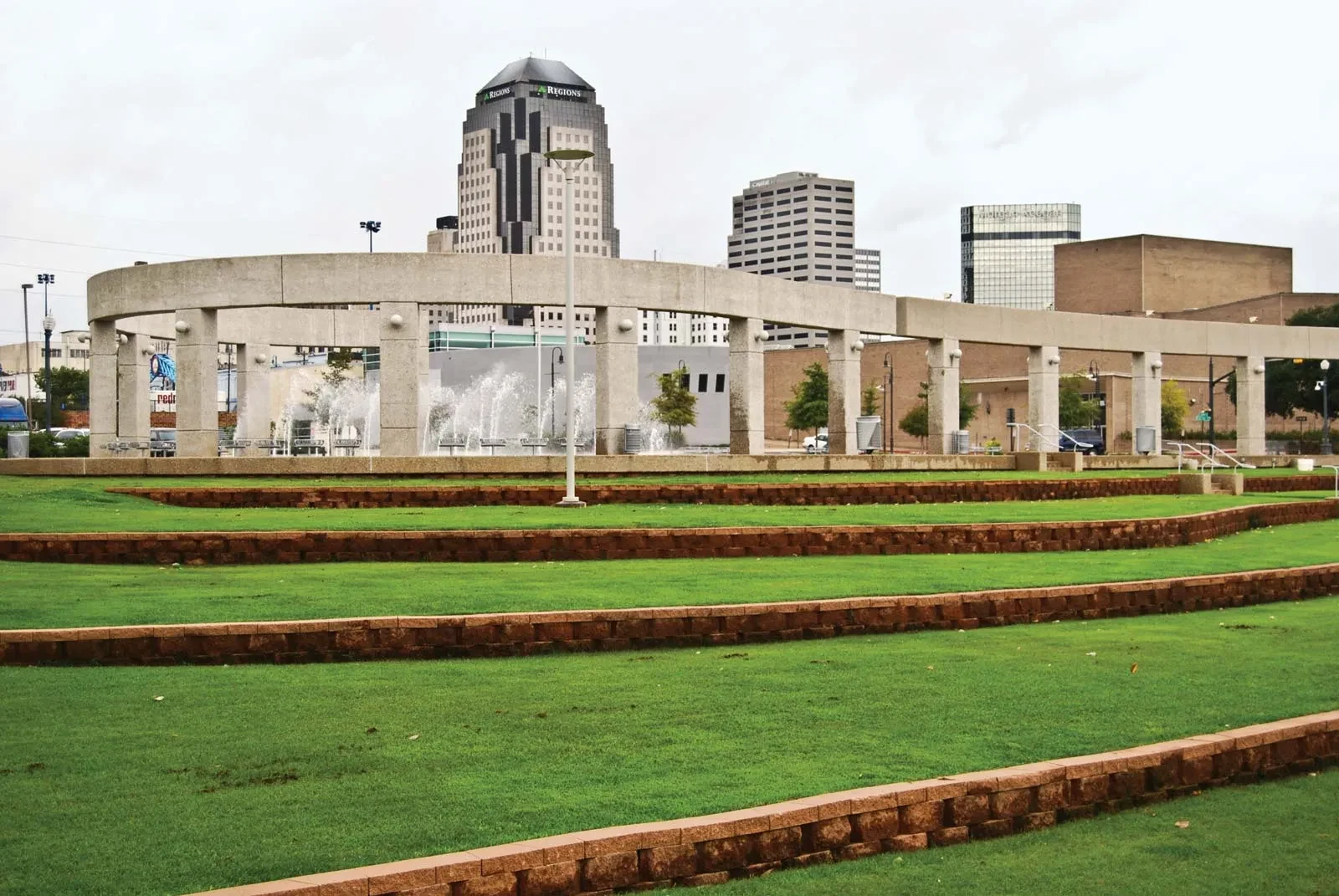
Built-Up Roofing (BUR) in Shreveport, LA
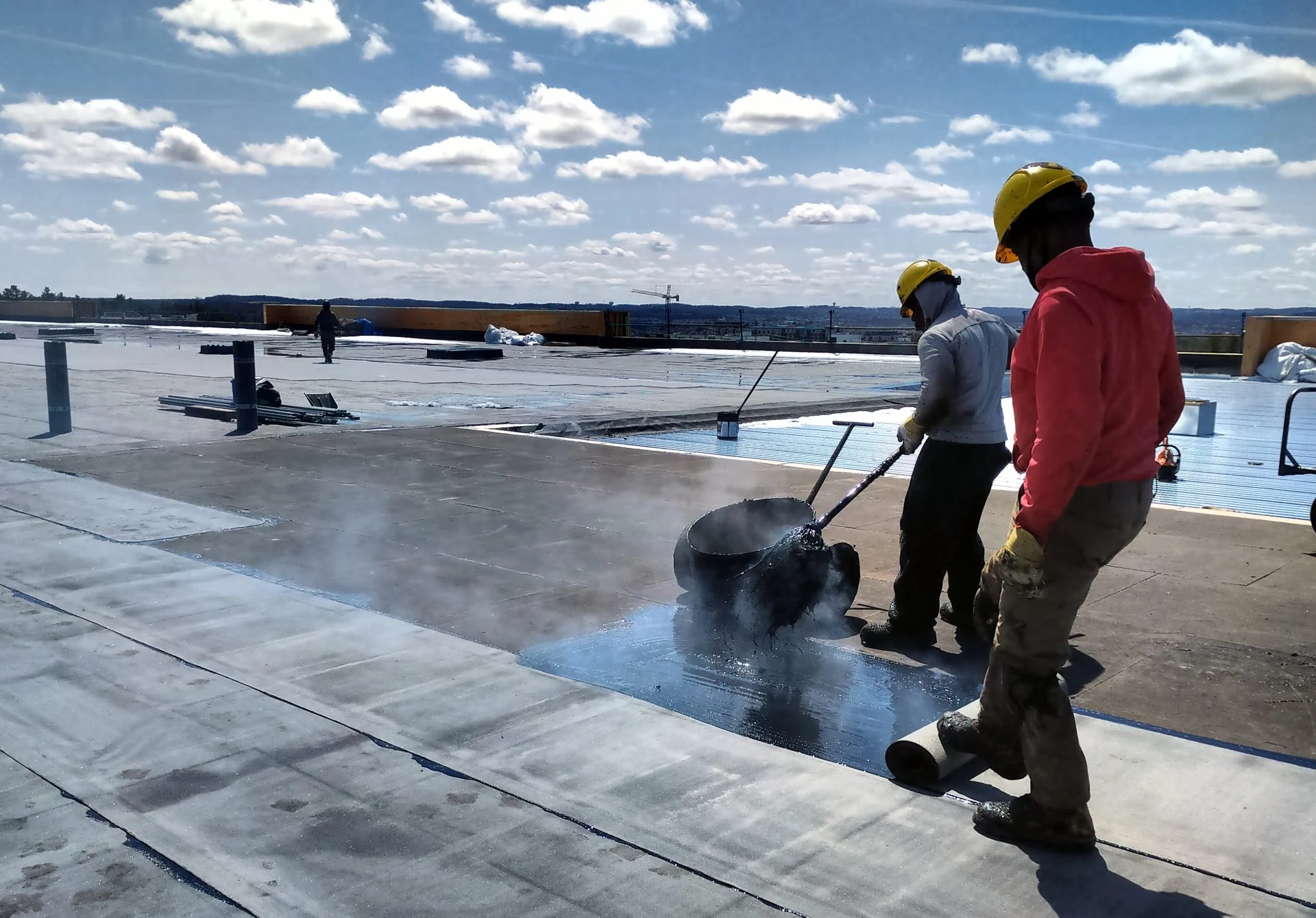
Built-Up Roofing: What's Actually Under Half of Downtown Shreveport
Built-up roofing, the multi-ply asphalt-and-felt system topped with gravel or a cap sheet, is still what you'll find on a large share of the older manufacturing buildings, downtown offices, and medical properties across Shreveport-Bossier. If your building was constructed before the 1990s and nobody's mentioned a full reroof, there's a good chance BUR is still doing the work under whatever's visible on the surface.
Why BUR Has Lasted This Long on So Many Buildings
A properly installed built-up roof relies on redundancy - multiple layers of felt and asphalt mean a single failure point rarely leads to an immediate leak, since water has to work through several plies before it reaches the deck. That's part of why so many of these roofs are still functioning decades after installation, patched here and there but never fully replaced. The tradeoff is that BUR requires more maintenance attention as it ages, and gravel surfacing makes it harder to spot problem areas during a quick visual walk.
Reading a Gravel-Surfaced Roof for Real Condition
Gravel ballast protects the underlying plies from UV and hail, but it also hides blisters, splits, and worn spots from a casual inspection. We rake back gravel in representative sections during an assessment rather than just walking the surface, because a roof that looks fine under a layer of stone can have significant ply separation underneath. Displaced gravel after a wind event is also worth a call to us - exposed membrane in those bare spots degrades fast under direct sun.
Ponding Water: The Most Common BUR Complaint We Get
Low-slope BUR roofs are prone to ponding in areas where the original design slope has settled over the decades, or where a rooftop unit was added later and changed the drainage pattern around it. Standing water accelerates asphalt breakdown and adds structural load the roof wasn't designed to carry long-term. We map ponding areas during inspection and can correct them with tapered insulation as part of a recover, rather than just patching around the same low spot year after year.
Repair, Recover, or Full Tear-Off: How We Decide
- Repair when failures are isolated and the surrounding plies are still flexible and sound
- Recover with a new cap sheet or single-ply membrane when the deck and insulation test dry
- Full tear-off when moisture has worked into the insulation or deck across large areas
- Partial section replacement when only certain roof areas have failed while others hold up fine
- Drainage correction as part of any of the above when ponding is a contributing factor
We walk you through which category your roof falls into with photos and moisture readings rather than a verbal opinion alone, so you have something concrete for whoever approves the budget.
What Multi-Ply Redundancy Means for Your Maintenance Budget
A well-maintained BUR system can outlast a lot of newer single-ply installations if it's inspected regularly and patched before small issues become large ones. The catch is that "well-maintained" means someone actually checking it every year, rather than only responding when a tenant reports a stain on the ceiling. If your roof hasn't had a real inspection in a few years, that's usually the first thing worth scheduling before any repair decision gets made.
Downtown Shreveport's Mixed Building Ages and What That Means for Inspection
Downtown Shreveport buildings have gone through decades of ownership changes, renovations, and additions, and it's common for a single roof to have sections installed at different times by different contractors - original BUR in one area, a later mod-bit patch in another, a small single-ply section over a newer addition. Treating that roof as one uniform system during inspection misses the point. We map each section separately, since each one is aging on its own timeline and may need a completely different recommendation than the section next to it.
The risk with an aging BUR roof isn't usually a sudden catastrophic failure - it's slow moisture intrusion that spreads through insulation over months before it's obvious from inside the building. By the time interior damage shows up, moisture has often traveled well beyond the original entry point, turning what could have been a modest repair into a larger recover or tear-off scope. Catching that early, through regular inspection rather than waiting for a tenant complaint, is the difference between a manageable repair bill and a much bigger one.
Common Questions About Built-Up Roofing
How do we know if our BUR roof needs repair or full replacement?
It depends on how far moisture has traveled into the system. A proper inspection with gravel pulled back in test areas gives us a real answer instead of a guess.
Can a BUR roof be recovered instead of torn off?
Often yes, as long as the deck and insulation test dry. We confirm that before recommending recover over tear-off.
Why does our roof keep collecting water in the same spot?
Usually settled slope or a drainage pattern disrupted by rooftop equipment added after original construction. Tapered insulation during a recover can correct it.
Is gravel surfacing still a good option today?
It still provides good UV and hail protection, though a cap sheet or coated surface makes future inspections easier since problems aren't hidden under stone.
How often should an older BUR roof be inspected?
At least annually, plus after any significant wind, hail, or heavy rain event, since gravel surfacing hides early warning signs from a casual look.