
60-Mil TPO Roofing in Shreveport, LA
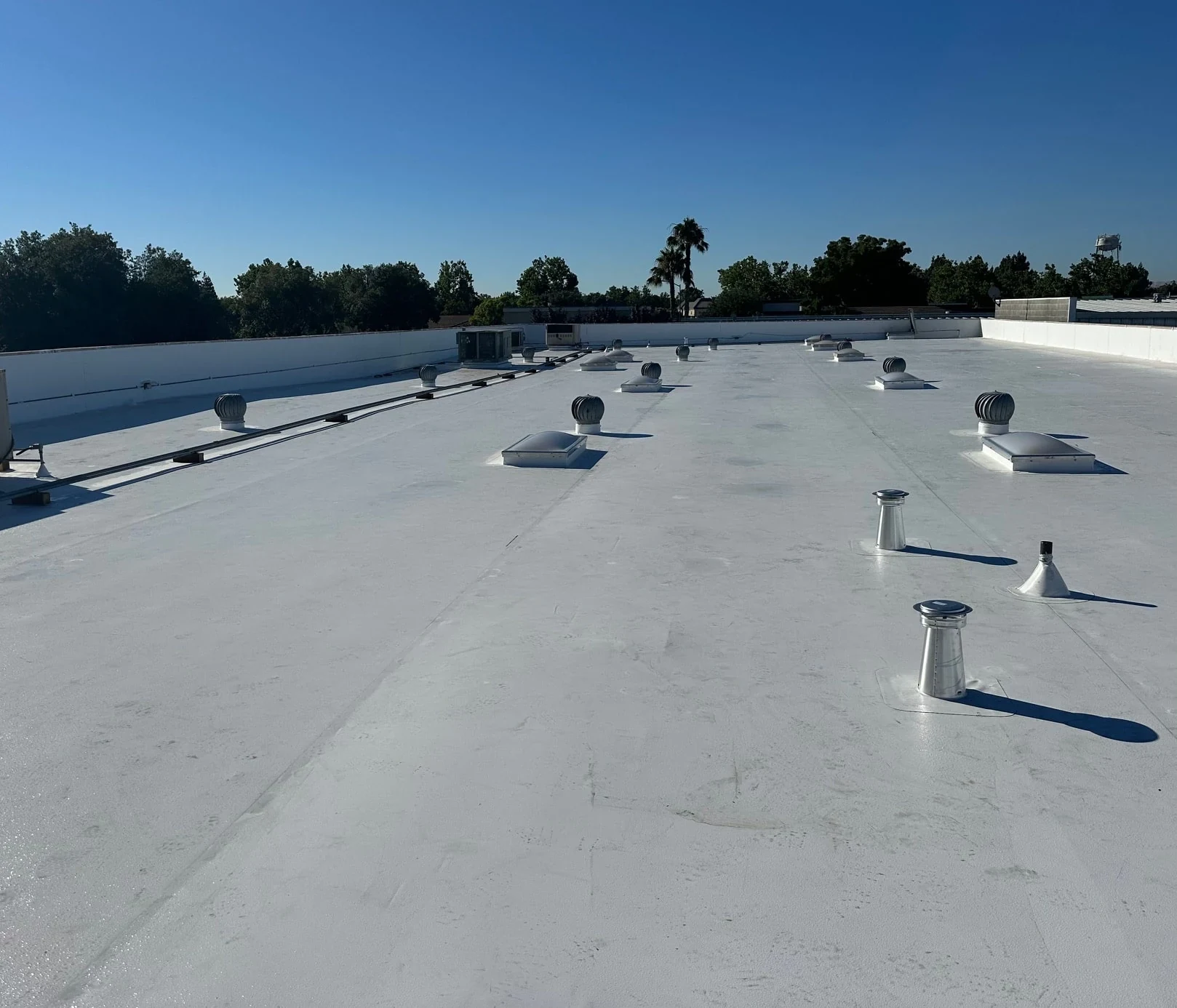
60-Mil TPO for Shreveport's Lighter-Traffic Roof Assets
Sixty-mil TPO is the membrane we spec most often for retail strips, standalone restaurants, and smaller office buildings along Youree Drive and out toward Bossier City. It's a budget-tier single-ply sheet, and for a roof that only sees an HVAC tech twice a year, that's the right call. If your roof asset gets regular foot traffic or rooftop storage, we'll say so before you sign anything, because that's where 60-mil starts to look thin.
Matching Membrane Thickness to the Work Order History
Before we quote a thickness, we ask what the work order log actually says about this roof. A building with two service calls a year for a rooftop package unit doesn't need the same puncture resistance as a plant with a maintenance crew walking the deck weekly. Sixty-mil TPO holds up fine under that lighter load, and paying for 80-mil coverage you'll never use just inflates the capital request without buying anything back in service life.
Where we push back is when a tenant starts using the roof as storage, or a new rooftop unit gets added mid-lease without anyone re-evaluating the membrane spec. That's a conversation we'd rather have before the work order, not after a puncture claim.
Weld Windows in Ark-La-Tex Humidity
Hot-air welding TPO seams depends on a dry membrane surface, and Shreveport's humidity doesn't always cooperate, especially in the shoulder months when morning dew sits on the deck longer than crews expect. We schedule weld work around that, not around the clock, because a seam welded over a damp surface is a seam that fails quietly, usually the following summer when nobody's watching for it.
Every seam gets probed before the crew leaves the roof. On a 60-mil job over a smaller building that's a same-day process, and we log the results the same day rather than filing them from memory later.
Spring Storm Wind and Fastening Discipline
Shreveport sits inside a corridor that takes fast-moving spring squall lines seriously, and the wind that comes ahead of those lines is where a marginal fastening pattern gets exposed at the parapet edge first. We fasten every 60-mil install to the wind zone the building actually sits in rather than a generic minimum, because that's the difference between a membrane that's still on the roof after the next line of storms and one that isn't.
- Deck condition check and fastener pull-out testing before membrane goes down
- Tighter fastening at perimeter and corner zones than the field of the roof
- Coping and termination bar detail checked at every parapet run
- Every penetration and curb flashed and photographed individually
- Seam probe results recorded on the day of install, not reconstructed later
What Goes in the File Before We Leave
A good share of our work eventually intersects an insurance claim somewhere in the roof's life, whether that's hail, straight-line wind, or a tenant's rooftop unit failure. We photograph deck conditions before membrane, log fastener patterns, and keep flashing detail shots on file, because that paperwork is what turns a disputed claim into a routine one when an adjuster shows up years later.
We don't promise a claim outcome and we won't tell you the install guarantees anything about a future adjuster's decision. What we can control is whether the roof's own history gives that adjuster a reason to question the claim. Usually it's a short file. We keep it anyway.
Budget Planning Around a 60-Mil Roof Asset
For an FM managing a roof asset on a capital plan rather than reacting to leaks, 60-mil TPO is easy to plan around. It's a known cost, a known install timeline, and a membrane that doesn't ask for special handling once it's down. We'll tell you honestly where it sits in a multi-building portfolio next to heavier-traffic assets that need the 80-mil spec instead.
If downtime matters more than upfront cost on a particular building, we'll walk through install sequencing that keeps sections of the roof dry each night rather than opening the whole deck at once. That's a scheduling conversation worth having before the crew mobilizes.
Sequencing a Multi-Building Re-Roof Around One Crew
A property manager holding several small retail pads or restaurant buildings across the Youree Drive corridor and out toward Bossier City rarely has budget to re-roof all of them in one fiscal year. We build a phased schedule instead: two or three buildings this cycle, the rest queued for the following year, with the same crew and membrane spec carried across every phase so warranty paperwork and maintenance records stay consistent across the portfolio.
That consistency matters more than it sounds like it should. When every building in a portfolio has the same 60-mil TPO spec, the same fastening standard, and the same inspection interval, a facilities team can manage the whole group off one maintenance calendar instead of tracking a different system for every address.
Questions Facilities Managers Ask About 60-Mil TPO
Is 60-mil too thin for a Shreveport roof?
Not for the buildings it's meant for. On a roof with light, occasional traffic, 60-mil TPO holds up through a normal service life. The mistake is specifying it on a roof that gets regular foot traffic or storage, where the extra mils of an 80-mil sheet actually earn their cost.
How does humidity affect the install timeline?
It can push weld work later in the morning or stop it altogether on a heavy dew day. We build that into the schedule up front rather than treating it as a delay, since forcing a weld over a damp deck creates problems that show up months later.
Does 60-mil TPO need a different maintenance plan than 80-mil?
Not fundamentally. Both need the same twice-yearly inspection rhythm. The difference is how much margin the membrane has if maintenance slips for a season, and 60-mil has less of it.
Can we recoat a 60-mil roof instead of replacing it later?
Often, yes, if the membrane is still sound and just losing reflectivity or picking up minor seam wear. We evaluate that case by case rather than defaulting to a silicone recoat automatically.
What happens if a new rooftop unit gets added after install?
Any new curb or penetration needs to be flashed and documented the same way the original install was. Loop us in before a mechanical contractor cuts into the membrane, not after, and it stays a five-minute site visit instead of a warranty dispute.