Multi-Tenant Retail Strip Roofing in Shreveport, LA
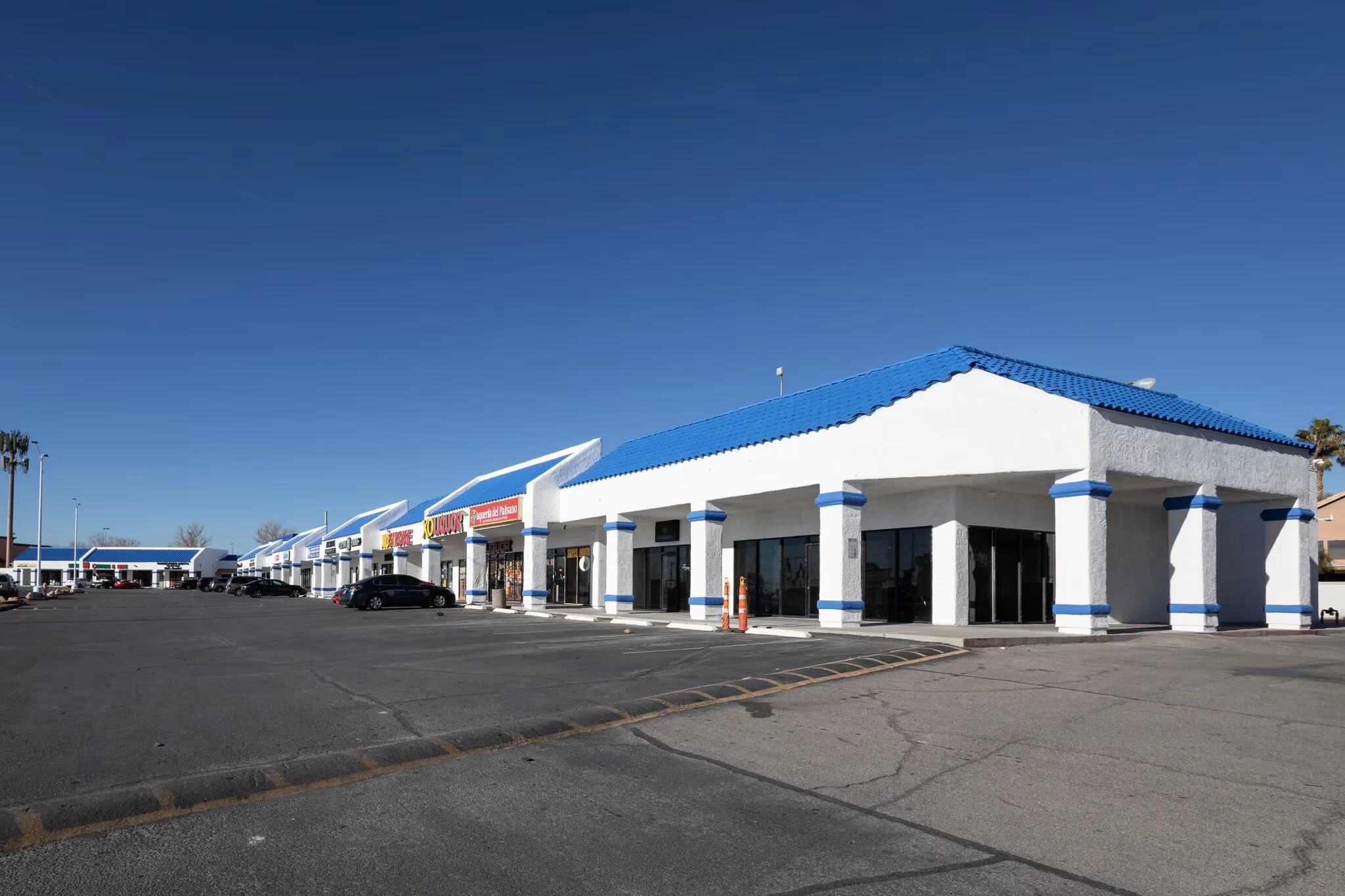
One Roof, a Dozen Leases, and Nobody Agreeing on Whose Repair It Is
Strip centers along Youree Drive and East Kings Highway share a challenge every property manager in this business knows well: one continuous roof spanning several tenant suites, each with its own lease terms, its own build-out history, and its own opinion about who's responsible when water shows up on their ceiling tile.
The Lease Line Doesn't Match the Roof Line
A tenant's demising wall stops at a specific point, but the roof above doesn't know where that line is. Water that enters over one suite can travel along the deck and show up two doors down, which means the tenant reporting the leak often isn't the tenant whose section actually needs repair. We trace the source before assuming the reported location is the real problem, since chasing the wrong suite wastes time and doesn't fix anything.
We also document findings by suite number specifically, rather than by general roof area alone, because that documentation is what property management needs to sort out lease responsibility and communicate clearly with each affected tenant.
Every Tenant Turnover Adds a New Penetration
Retail tenants in these centers turn over regularly, and each new tenant build-out tends to add rooftop equipment: a new HVAC package for a restaurant, exhaust for a nail salon or dry cleaner, signage conduit for a rebrand. None of that gets tracked centrally in most cases, and property management is often the only party with any record of what's actually been added to the roof over the years.
Before recommending repair or recover work, we walk the full roof and match what's up there against whatever tenant history is available, since it's common to find equipment nobody can identify the current owner of because that tenant has already vacated the space.
Restaurant and Food Tenant Roofs Wear Differently
A strip center with a restaurant, a quick-service tenant, or a bakery has grease-laden exhaust venting across a section of roof that a retail clothing store or salon suite never has to deal with. That exhaust residue degrades membrane and coating faster in the immediate area around the vent than anywhere else on the roof, and we check those zones separately from the rest of the center on every inspection.
We also flag grease trap and hood cleaning access when it affects roof condition, since a poorly maintained hood system can put more residue on the roof surface than the exhaust design accounted for.
On a standing inspection at a multi-tenant strip center, here's what we document:
- Membrane and flashing condition by individual suite, rather than by overall roof section alone
- Rooftop equipment inventory matched against known tenant history where available
- Grease exhaust zones and their accelerated wear compared to the rest of the roof
- Signage conduit and mounting penetrations added during rebrand or tenant turnover
- Drainage and ponding patterns across the full strip, since older centers often have uneven original slope
- Interior ceiling staining reported by suite, cross-referenced against the actual leak source
That suite-by-suite record is what lets a property manager have an informed conversation with a tenant about responsibility, rather than a dispute based on guesswork.
Scheduling Around a Center That Never Fully Closes
Strip centers rarely close all at once, and different tenants keep different hours, from an early-morning coffee shop to a late-closing restaurant. We plan roof access and work zones around whichever tenants are open below a given section, and we coordinate timing with property management so no single business loses a full day of operation because of work happening two suites away.
Our commercial roof leak repair work on strip centers usually starts with that suite-by-suite scheduling conversation before any material gets ordered, since access logistics on a multi-tenant building change the job as much as the repair itself does.
Recover Decisions on an Aging, Patchwork Roof
Older strip centers in this market often carry a roof that's been patched suite by suite over the years rather than replaced as a whole, which leaves a patchwork of repair quality and remaining service life across one continuous surface. We assess these roofs section by section rather than assuming uniform condition, and we're upfront when a full recover makes more financial sense than continuing to patch a roof that's accumulated more repairs than original membrane.
Questions Strip Center Property Managers Ask Us Most
How do you determine which tenant's suite caused a roof leak?
We trace the actual water path along the deck rather than assuming the suite that reported the leak is the source, since water often travels before it shows up on a ceiling tile.
Who's responsible for roof damage caused by a tenant's rooftop equipment?
That depends on the lease, but we document exactly what's installed and where so property management has clear facts when working that out with the tenant.
Can roof repairs happen without disrupting other tenants in the center?
In most cases, yes. We plan access and work zones around which tenants are open below a given section so unaffected businesses keep operating normally.
Do restaurant tenants need different roof maintenance than retail tenants?
Yes. Grease exhaust zones wear faster than the rest of the roof and need separate attention during inspection, along with a check on hood cleaning and grease trap maintenance that affects roof condition.
Is it better to keep patching an older strip center roof or recover the whole thing?
Once patch repairs accumulate past a certain point, a full recover is usually the more cost-effective path. We assess that section by section rather than assuming the whole roof needs the same answer.