Manufacturing Plant Roofing in Shreveport, LA
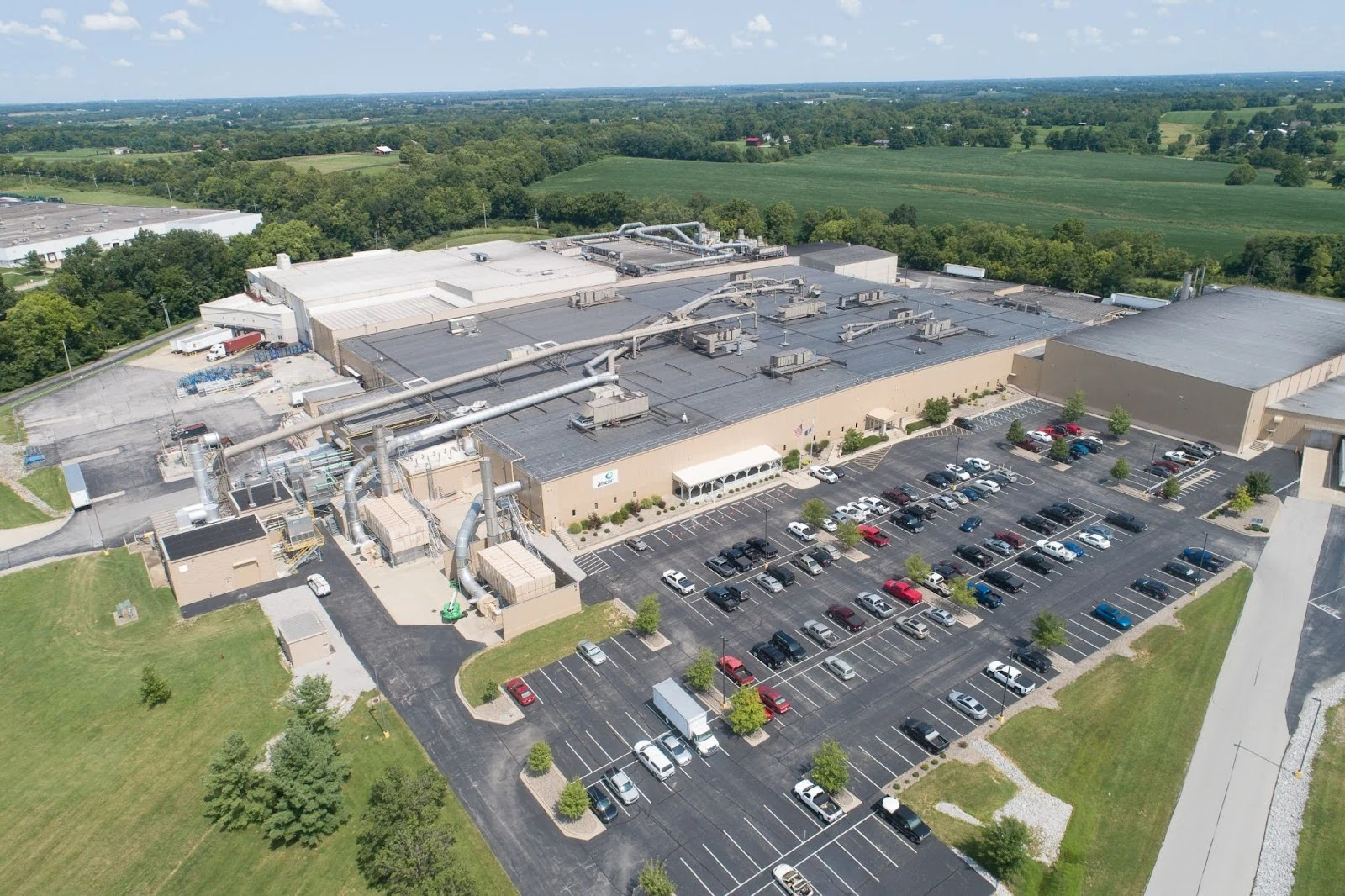
Most of These Plants Are Older Than the Companies Running Them Now
Shreveport's manufacturing base skews toward buildings that have been standing for decades, some through two or three ownership changes since they were first built. That history shows up on the roof deck before it shows up anywhere else in the plant, and it's the reason restoration and recover work outnumber new construction in this market by a wide margin.
Reading a Deck That's Older Than Its Current Roof
A lot of the plant buildings we walk have had two or three roof systems installed over the same original deck since the building went up. Steel deck that's been through that many recover cycles doesn't always show its condition from above. We probe deck condition at drain bowls, at low points, and anywhere staining shows up on the shop floor below before we recommend a fourth layer over a deck that might not support it.
That's a different conversation than most plant managers expect. The roof surface can look serviceable while the deck underneath has corroded from decades of condensation and prior leaks, and covering that problem with another membrane doesn't solve it. We'd rather tell an owner that upfront than let a recover job fail within a couple of years.
Production Downtime Is the Real Cost, Not the Roofing Material
Nobody running a plant floor wants to hear that a roof section over active production needs to come offline. We plan manufacturing roof work around shift schedules and maintenance windows the plant already has planned, whether that's a scheduled line shutdown, a slow production week, or a specific shift where that section of floor sits idle. Getting that timing wrong costs the client more in lost production than the roofing work itself.
We also stage material and equipment to minimize how long any opening in the roof stays uncovered, since a plant floor with sensitive equipment, raw material storage, or finished product staged below can't tolerate an extended exposure the way an empty warehouse bay could.
What Decades of Rooftop Equipment Additions Leave Behind
Older manufacturing buildings accumulate rooftop equipment the way any working building does over enough years: process exhaust stacks, dust collection systems, skylights that have been reglazed more than once, monitor curbs from an era when natural light and ventilation were designed in rather than added later. Each addition is a penetration that somebody flashed at some point, with varying quality depending on when and by whom.
We walk every one of those penetrations individually rather than assuming a blanket coating will handle them uniformly, because a process exhaust curb installed in the 1980s often needs different flashing detail work than one installed last year.
Here's what a standing inspection at an older manufacturing plant covers for us:
- Deck condition probed at drains, low points, and any area with interior staining below
- Skylight and monitor curb glazing and seal condition, especially on original 1960s and 1970s structures
- Process exhaust and dust collection penetrations, checked individually rather than as a group
- Number of prior recover layers, where determinable, and their cumulative weight on the deck
- Ponding patterns across low-slope sections, common on plants expanded in phases over the years
- Interior evidence of past leaks on production equipment or material storage below
That inspection record is what lets a plant manager make the recover-versus-replace decision with actual information instead of relying on how the roof looks from a ladder.
Restoration Over Replacement, Where the Numbers Support It
Given how much of this market's manufacturing stock is older construction, full tear-off and replacement isn't always the right call, or the affordable one. A silicone or acrylic coating system can extend service life meaningfully on a deck that's structurally sound but showing surface wear, and that's often the more realistic path for a plant running on tight capital budgets between production investments.
We walk owners through that math directly: cost per square foot for a coating and recover versus a full tear-off, weighed against how many years of service life each approach realistically buys. Our silicone roof coatings work on older plant roofs is usually the first option we put on the table when the deck inspection supports it.
Working Around Process Equipment That Can't Get Wet
Manufacturing floors often have equipment, raw material, or in-process product that reacts badly to water exposure, sometimes worse than a warehouse's palletized goods would. We ask plant management what's directly below every section we work on and adjust our protection plan accordingly, because a standard drop cloth setup isn't enough protection over some production lines.
Common Questions From Plant Facilities Managers
How do you know if an old manufacturing roof deck can support another recover layer?
We probe it directly at drains and low points, and check how many prior layers are already up there. Most codes and manufacturer specs limit how many recover layers a deck can carry, and older plants often are already at that limit.
Can roof work happen without shutting down the production line below?
Usually yes, if we can time the work to a section that's not directly over active production during our work window. We build our schedule around the plant's shift pattern rather than asking it to adjust to ours.
Is a coating a real fix for an older plant roof or just a delay?
It depends on deck and insulation condition underneath. On a sound deck with surface-level wear, a coating buys real years of service life. On a deck with wet insulation or structural corrosion, a coating just traps the problem.
What's the most common issue you find on plants built before 1990?
Skylight and monitor curb seals that have been reglazed multiple times without ever addressing the original curb flashing, which is usually where water is actually getting in.
How often should an older manufacturing plant roof get inspected?
Twice a year at minimum, with particular attention to deck condition every visit, since deterioration on a roof this age can move faster than the surface membrane shows.